
Most digital product advice assumes you already have an audience. Build the product, then market it to your followers. Run ads to drive traffic. Post consistently on social media until someone buys.
That model works — eventually — for creators with existing platforms. For everyone else, it’s a catch-22. You need sales to grow. You need an audience to make sales. You need to already have something to build anything.
There’s a different category of digital products that sidesteps this entirely. These products sell through platform discovery — Etsy search, Amazon search, Pinterest search, Quora answers indexed by Google. The platform brings the buyer. Your job is to build something worth finding and position it correctly.
Here are the six types that do this most consistently — and exactly how each one works.
Digital products that sell without marketing are ones listed on platforms with built-in buyer search traffic. The six best types are: Canva templates on Etsy, Notion templates on Gumroad + Pinterest, ChatGPT prompt packs, low-content books on Amazon KDP, printable planners on Etsy, and niche PDF guides on Payhip or Gumroad. All sell through platform SEO and organic discovery — no social media, no ads, no audience required.
- Etsy: 100M+ active buyers searching daily — your listing IS the marketing
- Amazon KDP: search engine with 300M+ customers — no promotion needed
- Pinterest: visual search engine that surfaces products for 2–3 years per pin
- Quora + Google: PDF guides recommended in answers that rank in search
Why Most Digital Products Don’t Sell (And Why These 6 Do)
The vast majority of digital product failures follow the same pattern. Someone creates a genuinely useful PDF, template, or guide. They list it on Gumroad or their own website. They post about it once on Instagram. Nobody buys it. They conclude that digital products don’t work.
The product wasn’t the problem. The distribution was.
A digital product on your own website — with no existing traffic — is invisible. A digital product on Etsy, Amazon, or any platform with millions of daily buyers searching for exactly what you built is a completely different proposition. The platform handles the discovery. You handle the product.
The 6 Digital Product Types — At a Glance
| Product Type | Platform | Creation Time | Monthly Potential | Competition |
|---|---|---|---|---|
| Canva Templates | Etsy | 2–4 hrs | $100–$800 | Medium |
| Notion Templates | Gumroad + Pinterest | 3–6 hrs | $50–$400 | Low |
| ChatGPT Prompt Packs | Gumroad + Pinterest | 2–4 hrs | $50–$500 | Low |
| KDP Low-Content Books | Amazon | 2–5 hrs | $20–$150/book | Medium |
| Printable Planners | Etsy + Pinterest | 2–5 hrs | $100–$600 | High |
| Niche PDF Guides | Gumroad + Quora | 4–8 hrs | $50–$300 | Low |
Each Digital Product Type in Full
Etsy has 100 million active buyers and an internal search engine that surfaces products based on keyword relevance in titles, tags, and descriptions. A well-optimised Canva template listing — resume templates, social media kits, business card designs, presentation templates — appears in front of buyers searching for that exact product every day, without you doing anything after publishing.
Why Canva templates specifically: Canva’s template library gives you a starting point. You customise the design, brand it, and sell the editable template file. Buyers receive a link to a Canva template they can edit themselves. Delivery is instant and automatic. No printing, no shipping, no customer service beyond initial setup.
Best niches for Canva templates: Resume templates (high search volume, consistent buyer intent), wedding invitation suites, business branding kits, social media post templates, and real estate marketing kits. All have established buyer demand on Etsy with varying levels of competition.
The SEO strategy: Research your competitors’ listings on Etsy. Note the keywords they rank for. Use those same keywords in your title (first 40 characters matter most), all 13 tags, and naturally throughout your description. This is the marketing — not social media posts.
💰 Realistic per listing: $100–$500/month once indexedNotion has exploded as a productivity platform with millions of daily users actively looking for templates that improve their systems. Notion template packs — project management dashboards, content calendars, habit trackers, business operating systems — sell on Gumroad, Etsy, and Notion’s own marketplace.
Why these sell without marketing: Pinterest’s productivity and organisation boards drive significant organic traffic to Notion templates. A single pin showing your template’s interface — with a clear benefit in the description — drives consistent clicks to your Gumroad listing for months. The visual nature of Notion’s interface makes it highly pin-worthy.
The creation process with AI: ChatGPT can design the logic and structure of any Notion template in detail. You build it in Notion following that structure. Export the template link, package it with a simple PDF guide on how to use it, and publish. Creation time: 3–6 hours for a well-built template pack.
Pricing: Simple templates: $9–$19. Full system bundles: $29–$97. The perceived value of a well-designed productivity system is high — buyers pay for time saved, not page count.
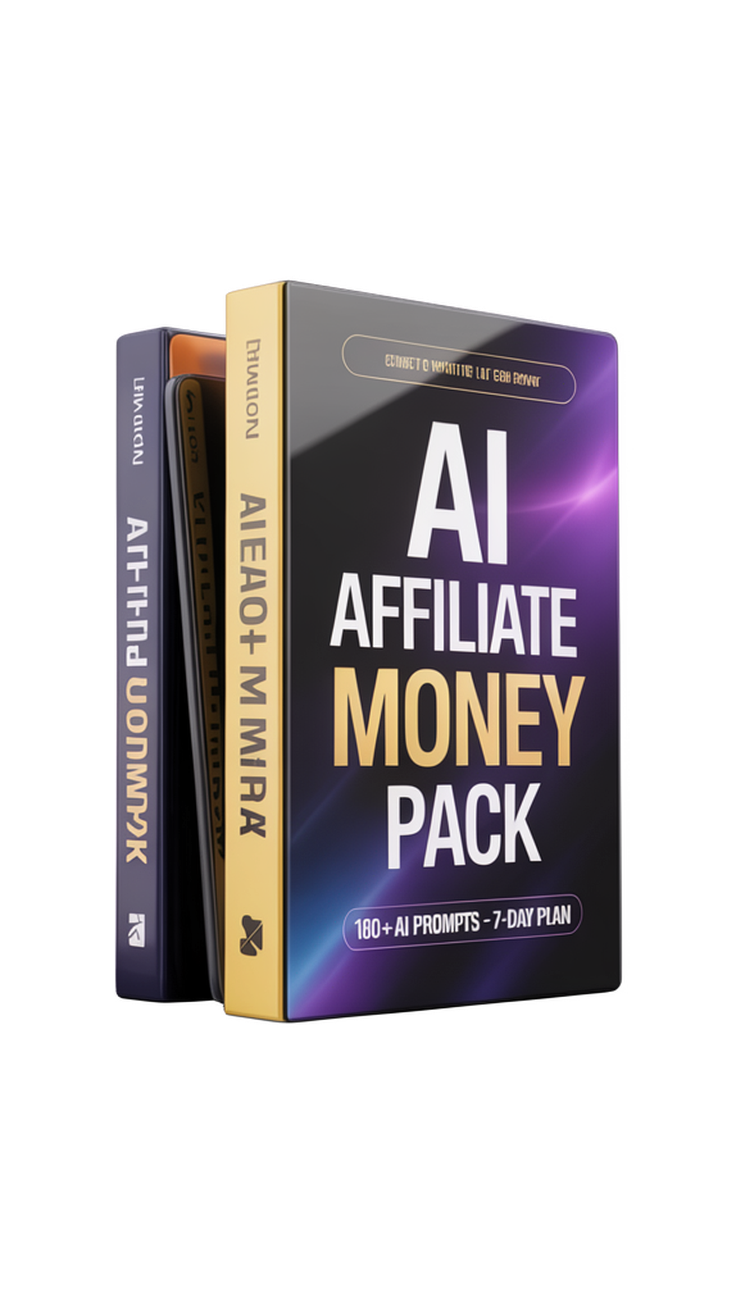
💰 Realistic monthly: $50–$400 from Pinterest + searchThe demand for curated, tested ChatGPT prompts for specific niches — real estate, content creation, e-commerce, coaching, fitness — is enormous and largely undersupplied. Buyers pay $15–$75 for a pack of 30–100 professionally tested prompts that save them hours of trial and error.
Why these sell without marketing: Pinterest has become a major discovery platform for AI tools and prompts. A pin titled “100 ChatGPT prompts for real estate agents” drives consistent clicks from a target audience already using AI tools and actively looking for prompts. Additionally, prompt packs get organically recommended in Reddit and Facebook AI communities.
Why the competition is still low: Most prompt packs for sale are generic. A niche-specific, professionally tested prompt pack for a specific profession or use case has almost no direct competition and high conversion rates — because the buyer immediately recognises it solves their exact problem.
AI-assisted creation: Use ChatGPT to generate and test prompts for your target niche. Package them in a clean PDF using Canva. List on Gumroad. Create 5–10 Pinterest pins. This entire pipeline takes one weekend and earns indefinitely.
💰 Realistic monthly: $100–$500 with Pinterest trafficAmazon KDP (Kindle Direct Publishing) lets you publish and sell physical and digital books with no upfront cost. Low-content books — journals, planners, activity books, logbooks, puzzle books, colouring books — require minimal writing and sell consistently through Amazon’s search engine and recommendation algorithm.
Why Amazon sells them without promotion: Amazon has 300 million+ active customers who search for specific products daily. A “sobriety journal for women” or a “daily gratitude planner for moms” surfaces in Amazon search results based on keyword relevance in the title and description — not based on the publisher’s following or marketing budget. Your book competes on relevance and quality, not social media presence.
Print on demand — zero inventory: Amazon prints and ships every physical copy. You never see the inventory. A royalty lands in your account. You were asleep. For digital (Kindle) versions, delivery is fully automatic.
AI and the creation process: ChatGPT designs the structure and prompts for any journal or planner. Canva or Book Bolt handles the cover and interior layout. Publish to KDP in an afternoon. One book earns $20–$150/month on average — a portfolio of 20 books earns $400–$3,000/month passively.
💰 Per book: $20–$150/month | Portfolio of 20: $400–$3,000Printable planners, habit trackers, meal prep sheets, budget worksheets, and goal-setting templates sell on Etsy to buyers who prefer to print and physically write rather than use apps. The market is large, the buyer intent is clear, and the delivery is instant — a PDF download the moment payment clears.
The dual discovery advantage: Printable planners rank on Etsy’s internal search AND they perform exceptionally well as Pinterest pins. A visually appealing pin of your planner design drives traffic to your Etsy listing from Pinterest’s search engine simultaneously. Two independent discovery platforms, both completely free, both compounding over time.
Competition note: This category has higher competition than prompt packs or Notion templates. The differentiator is niche specificity. “Meal prep planner” is competitive. “Meal prep planner for bodybuilding competition prep” is not. The more specific the niche, the less competition and the higher the conversion rate — because the buyer immediately recognises it was built for them.
Creation time: One printable planner designed in Canva: 2–4 hours. A themed bundle of 5–8 matching printables: 1–2 days. Bundles convert at higher price points ($15–$35 vs $3–$7 for individual files).
💰 Realistic monthly per shop: $200–$600 from Etsy + PinterestA well-researched, genuinely useful PDF guide on a specific niche topic — “how to start affiliate marketing without a website,” “the complete guide to selling on Etsy with Canva,” “30-day KDP launch checklist” — sells without marketing when distributed through Quora answers that rank in Google search results.
How this works: Write a comprehensive Quora answer about the topic your PDF guide covers. At the end, mention the guide as an expanded resource: “I put together a 30-page PDF with every step in detail — it’s $12 on Gumroad if you want the full system.” Buyers who find your Quora answer through Google search are already deeply interested — conversion rates on these recommendations are high.
AI-powered creation: ChatGPT drafts the guide content. You edit for accuracy and add your own insights and experience. Canva formats it into a professional PDF. The whole product can be built in a weekend. The Quora answers that sell it can be written in an hour and earn for 12–36 months.
Pricing: Niche PDF guides price well at $7–$29 depending on depth. The perceived value of a comprehensive, well-formatted guide that solves a specific problem is high relative to production cost. One guide, 10 Quora answers referencing it, can earn $50–$300/month passively.
💰 Realistic monthly: $50–$300 from search-ranked Quora answersWhich Digital Product Should You Start With?
The right product depends on how quickly you want income, how much time you have to create, and what skills you bring.
| Your Situation | Start With | Why |
|---|---|---|
| Want sales fastest | Canva templates on Etsy | Etsy indexes new listings quickly; established buyer traffic from day one |
| Prefer completely passive | KDP low-content books | Amazon handles everything; no customer interaction needed |
| Already use ChatGPT | Prompt packs on Gumroad | Build from tools you already know; highest relevance to current demand |
| Good at research/writing | Niche PDF guides | Higher perceived value; Quora distribution is free and compounds |
| Want dual platform traffic | Printable planners | Etsy + Pinterest working simultaneously; two search engines for one product |
| Productivity/systems niche | Notion templates | Lower competition; dedicated community of buyers; strong Pinterest performance |
Why Digital Products Fail Even on Discovery Platforms
Wrong keyword research
Creating a product nobody is searching for is the most common mistake. Before building anything, verify there’s existing search demand. On Etsy, type your product idea into the search bar and see what auto-suggests. On Amazon KDP, check the bestseller rank of similar products. If there’s no existing demand, the platform can’t discover your product — because no one’s looking for it.
Generic product in a crowded category
“Meal prep planner” on Etsy has 40,000+ results. “Meal prep planner for vegetarian meal prep beginners” has dozens. The more specific your product, the less competition, the higher your relevance score, and the better your conversion rate — because buyers searching that specific term know exactly what they want and your product delivers exactly that.
Poor listing quality on a good product
A great product with a badly optimised listing doesn’t sell. Your title, description, and tags are your marketing on discovery platforms — the only marketing you have. Spend as much time on the listing as on the product itself. Study the listings of your top competitors. Match the structure. Improve the specificity.
Get the Free AI Blueprint — Build Products That Sell Without You
The exact AI tools, platform strategies, and automation setup I use to create and sell digital products passively — yours free, no purchase required.
⚡ Get Instant Free Access


1 thought on “Digital Products That Sell Without Marketing (2026)”